About 20 minutes
Texas Week — A Closer Reading
Fantasy Juvenile Worlds
4,541 recorded words. Selected by the catalog's stored reading-time estimate.
View Gutenberg source #28647
Explore this collection
Three of the shortest recorded reading commitments in this catalog. Times are estimates, not quality ratings.
About 20 minutes
Fantasy Juvenile Worlds
4,541 recorded words. Selected by the catalog's stored reading-time estimate.
View Gutenberg source #28647About 22 minutes
Historical Psychological Social Fiction
5,055 recorded words. Selected by the catalog's stored reading-time estimate.
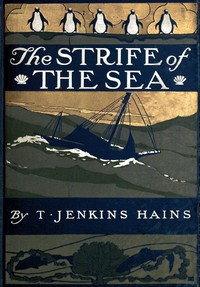
View Gutenberg source #9241About 22 minutes
Adventure Picaresque Fiction
4,855 recorded words. Selected by the catalog's stored reading-time estimate.
View Gutenberg source #32468Search stored excerpts and compare books → Choose by your preferences →
Choices use stored catalog measurements. Estimates vary with reading speed. A shared category is a catalog label, not a claim that two books have the same argument or literary quality.
Search reads excerpt text stored with this catalog and links to its associated Gutenberg record. The connection is stored in the site database; this tool does not recheck that every excerpt is word-for-word identical to that external record. Excerpt search does not cover every chapter and does not verify historical publication dates.
Catalog snapshot checked: 2026-09-25. Coverage: 100 public books, 100 available source excerpts.
Independent digital catalogue
How do tales of rogues, ghosts, utopias, and social observation speak to each other? This library brings together 100 short works from the 19th and early 20th centuries, organized into four overlapping themes. Browse by question: start with Adventure Picaresque Fiction for tricksters and travelers, Fantasy Juvenile Worlds for imaginative escapes, Science Fiction Utopias for speculative futures, or Historical Psychological Social Fiction for character-driven realism. Each entry includes a focused editorial note to guide your reading.
Subject gateways
Explore the catalogue by topic, setting, or the type of material each work is drawn from.
Stories of childhood, exploration, resilience and imaginative adventure represented across the current public-domain collection.
A focused group of public-domain works connected by subject, literary setting and recurring questions.
Works exploring technology, imagined futures, discovery and speculative changes in society and everyday life.
Texts connected with historical lives, social customs, institutions and the worlds in which people lived.
About these records
How the collection is organized, presented and corrected.
It generally means that the represented source text is no longer protected by copyright in the applicable jurisdiction or has been released for public use. Status may vary by country and edition.
A record may include the title, author, category, cover, description, edition information, source references and available reading or download options.
A category reflects a work’s principal subjects, literary setting, source type and relationship to nearby records in the collection.
The catalogue adds navigation, metadata and editorial context. The represented source text retains its wording, edition information and rights status.
Use the contact page and include the work title, page address and the exact attribution, category, metadata or source detail requiring attention.
Catalogue stewardship
Catalogue information
NCEAA Catalogue manages the site's overall structure, which includes 100 books and 105 authors across 4 categories, ensuring the accuracy and completeness of these collections.
Catalogue explorer
Browse existing collections, books and author records through several catalogue routes.