
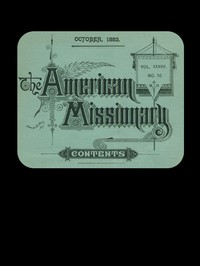
The American Missionary — Volume 37, No. 10, October, 1883 by Various
This isn't a novel. 'The American Missionary — Volume 37, No. 10, October, 1883' is exactly what it says on the cover: a monthly magazine published by the American Missionary Association. Think of it as their official newsletter for that month. The 'plot' is the ongoing work of the association. The 'characters' are the missionaries, teachers, and freedmen writing in from places like Tennessee, Georgia, Dakota Territory, and even Africa and China.
The Story
The 'story' is told through firsthand accounts. You'll read a detailed report from a principal about his normal school for Black teachers in the South, listing student numbers and funding needs. There's a letter from a missionary in Dakota describing his travels and interactions with Native communities. Another article passionately argues for the importance of educating freed slaves. Financial statements sit beside obituaries of departed missionaries and appeals for more support. There's no single narrative arc, but a mosaic of efforts, challenges, and convictions playing out across the globe in October of 1883.
Why You Should Read It
You read this for the immediacy. History feels different when it's not summarized in a textbook paragraph. Here, you get the unfiltered voice of the time—the earnestness, the paternalism, the genuine belief in their cause, and the stark reminders of the era's racial and cultural attitudes. It's compelling because it's real. You see the monumental task of building schools from nothing, the constant worry over money, and the complex, often problematic, relationship between missionaries and the communities they served. It doesn't offer easy answers, but it asks important questions about aid, education, and cultural imperialism that still resonate today.
Final Verdict
This is a niche read, but a rewarding one. It's perfect for history buffs, students of religion or sociology, or anyone who loves primary sources. If you enjoy digging through archives or reading personal letters from the past, you'll be captivated. It's not a light, entertaining story—it's a document. But for the right reader, it's a powerful and thought-provoking window into a pivotal moment in American history, straight from the people who were living it.
This text is dedicated to the public domain. It serves as a testament to our shared literary heritage.
Steven Smith
1 year agoHelped me clear up some confusion on the topic.






Joseph Thompson
2 years agoWhile browsing through various academic sources, the emphasis on ethics and sustainability within the topic is commendable. Top-tier content that deserves more recognition.