
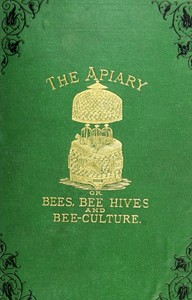
The apiary; or, bees, bee-hives, and bee culture [1878] by Alfred Neighbor
Let's be clear upfront: Alfred Neighbor's The Apiary; or, Bees, Bee-hives, and Bee Culture is, officially, a beekeeping manual. Published in 1878, it gives you the down-to-earth details: how to build a movable-frame hive (a big deal back then), how to manage a swarm, and how to harvest honey without destroying your colony. It's packed with the kind of hands-on advice that would have been gold for a farmer or a hobbyist.
The Story
There isn't a plot in the traditional sense. The 'story' is the journey of beekeeping itself, moving from a mysterious, often destructive practice to a more scientific and sustainable one. Neighbor acts as your guide through this transition. He explains the life cycle of the hive, the roles of the queen, workers, and drones, and the yearly rhythm of the beekeeper's work. The central tension isn't between characters, but between old methods and new ideas. He champions innovations that seem obvious now but were revolutionary then, all while urging respect for the insect at the heart of it all.
Why You Should Read It
What makes this book special isn't the technical data, which is obviously dated. It's the voice. Neighbor writes with a deep, palpable affection for his subject. You get the sense he spent countless hours just watching the hive entrance, fascinated. When he describes the 'hum of industry' within a healthy colony, you can hear it. His warnings about greed—taking too much honey and starving the bees—feel like a moral lesson as much as a practical one. Reading it today, it becomes a snapshot of a moment when humanity's relationship with nature was being renegotiated through science and commerce. You see the roots of our modern understanding, but also a reverence that sometimes gets lost.
Final Verdict
This one's for the curious minds. It's perfect for a beekeeper who wants a hit of historical perspective, or for anyone interested in the history of science and agriculture. If you enjoy 'slow' non-fiction that lets you sink into another time and place, this is a charming example. It’s not a flashy page-turner; it's a calm, thoughtful conversation with a knowledgeable neighbor from 150 years ago. Keep a modern guide handy for actual beekeeping advice, but read Neighbor for the passion, the context, and that wonderful, earnest 19th-century prose.
This historical work is free of copyright protections. Distribute this work to help spread literacy.
Mary Garcia
1 year agoThe fonts used are very comfortable for long reading sessions.
Elijah Brown
6 months agoBeautifully written.
Logan Lee
8 months agoBased on the summary, I decided to read it and it challenges the reader's perspective in an intellectual way. One of the best books I've read this year.
Sandra Lewis
1 year agoAfter finishing this book, the plot twists are genuinely surprising. Worth every second.




Dorothy Miller
1 year agoRecommended.