
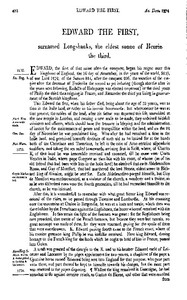
Chronicles of England, Scotland and Ireland (2 of 6): England (09 of 12)
Let's be clear: this isn't a novel. Raphael Holinshed's Chronicles of England, Scotland and Ireland is a massive, collaborative history project from the 1500s. This specific volume is a deep dive into England's past, from its mythical origins (think Brutus of Troy) right up to the Tudor period Holinshed lived in. It’s less a single narrative and more a giant, fascinating scrapbook compiled from older chronicles, official documents, eyewitness reports, and outright folklore.
The Story
There's no traditional plot. Instead, the 'story' is the sweeping, messy, and often contradictory saga of a nation coming into being. It moves through royal lineages, documenting wars, coronations, and treaties. But the magic is in the details sandwiched between the big events. You'll read about a mayor of London who tried to tax rain, bizarre monster sightings that were reported as fact, and incredibly vivid descriptions of peasant revolts. It presents famous figures like Henry V or Richard III not as polished statues, but as complex, flawed people surrounded by court intrigue and public opinion.
Why You Should Read It
I love this because it removes the filter. Modern history books give us a cleaned-up, analyzed version of events. Holinshed gives you the cacophony of voices from the time. You get to see the national myths being shaped. When you read about Macbeth here, you see the real Scottish king and the layer of legend already clinging to him, long before Shakespeare turned him into a tragic hero. It’s a reminder that history was always lived by people who gossiped, feared omens, and argued about their rulers. The book’s biases—its pro-Tudor slant, its occasional credulity—are themselves historical artifacts, telling you what people in the 1580s wanted to believe about their past.
Final Verdict
This is perfect for anyone with a deep curiosity about history who wants to go beyond the textbook summary. It's for Shakespeare fans eager to see his source material, for writers looking for authentic period flavor, and for readers who enjoy the thrill of primary sources. It requires some patience—the language is archaic and the structure is dense—but the reward is immense. Think of it as the ultimate behind-the-scenes documentary for English history, narrated by the people who were trying to make sense of it all, with all their passions and prejudices intact.
There are no legal restrictions on this material. You can copy, modify, and distribute it freely.
Elizabeth Lopez
1 year agoExtremely helpful for my current research project.
Charles Martin
11 months agoVery satisfied with the depth of this material.
Linda Hernandez
5 months agoOne of the most comprehensive guides I've read this year.
Barbara Jones
2 months agoThe layout of the digital version made it easy to start immediately, the footnotes provide extra depth for those who want to dig deeper. A rare gem in a sea of mediocre content.
Susan Harris
2 months agoMy first impression was quite positive because the case studies and practical examples provided add immense value. Highly recommended for those seeking credible information.